
The Viner Carbon project
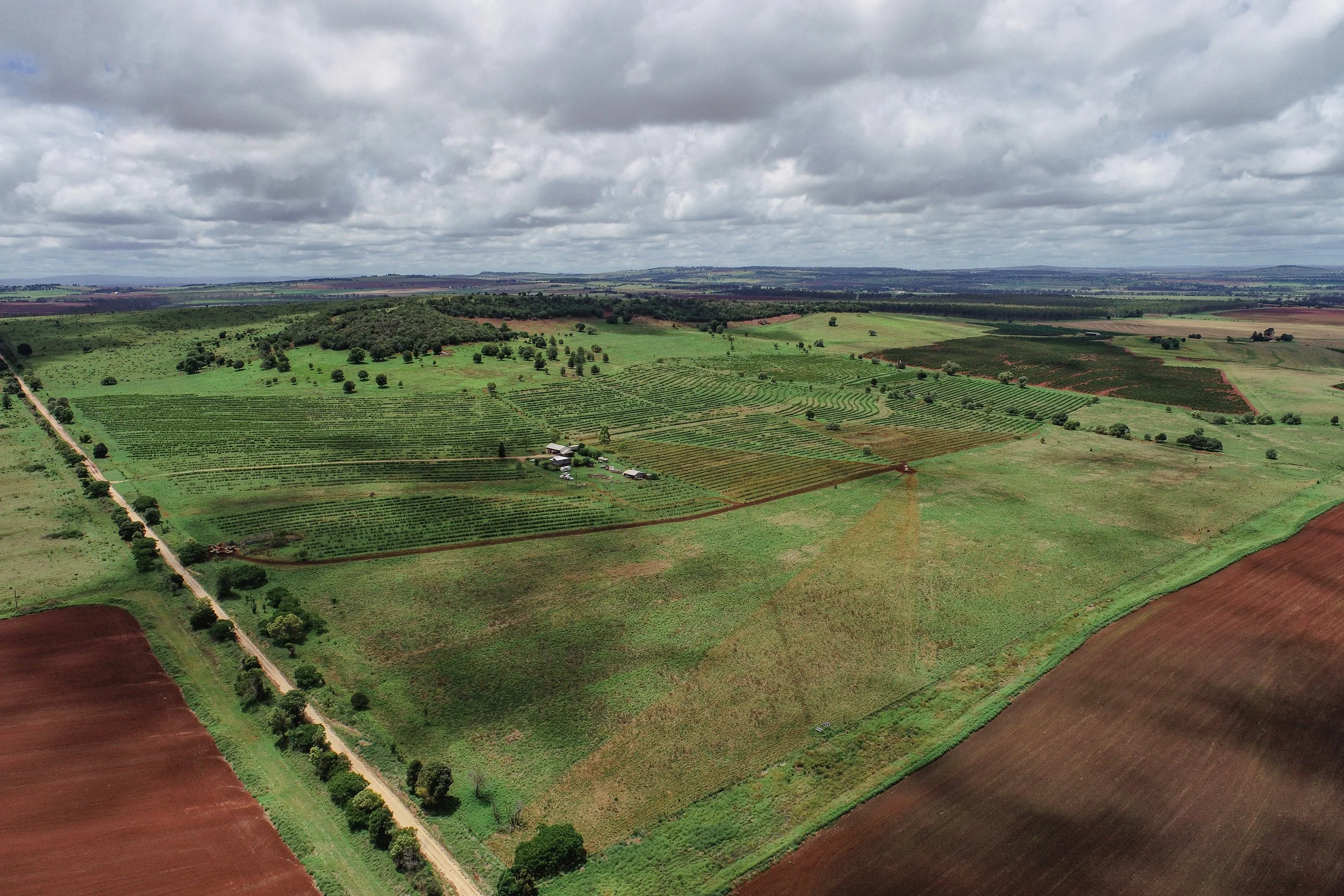
The Viner Carbon Project, located in Queensland, has reached a significant milestone with the issuance of 2,509 Australian Carbon Credit Units (ACCUs) under the Australian Government's ACCU Scheme. Developed in partnership with AgriProve, the project is owned and managed by Jeff Bell and covers 61 hectares of grazing land. Registered when the minimum project size was 40 hectares, a threshold that has since increased to 400 hectares, the project demonstrates the value of getting started early and committing to the baseline process.
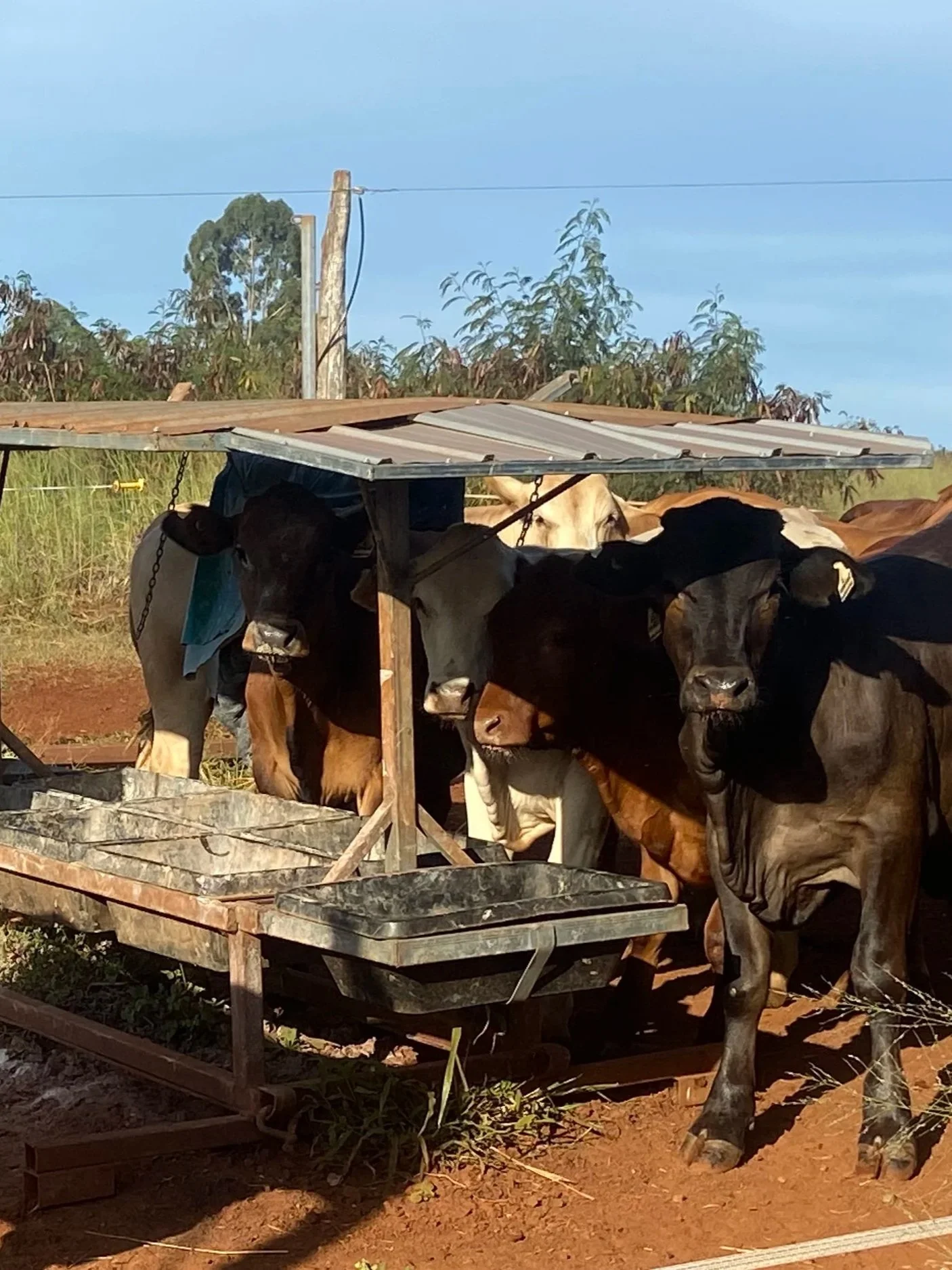
Jeff has transformed the property into a 35-paddock rotational grazing system with approximately $13,000 invested in fencing and water infrastructure. Management practices include flexible rotational grazing, multi-species pasture seeding, biological foliar applications, and chemical-free livestock management. These practices have increased carrying capacity from 52 to 59 stock days per hectare per 100mm of rainfall while delivering verified increases in soil carbon now recognised through ACCU issuance.
Farm Profile
Enterprise: Small-scale rotational grazing operation (part-time)
Location: Wooroolin, Queensland
Project Area: 61 hectares
Management Practices: 35-paddock rotational grazing system, multi-species seeding, biological amendments, infrastructure upgrades
Outcome: 2,509 ACCUs issued under the ACCU Scheme
The Jones and Bleweitt Carbon Project
Jeff Bell: “All the money I’ve spent on fencing and water, I would have spent anyway – it’s just what you need to manage country properly, the only real cost for the carbon project was the initial soil testing, and the return on that has been huge. Once you start managing this way, you can’t go backwards.”
Project Highlights:
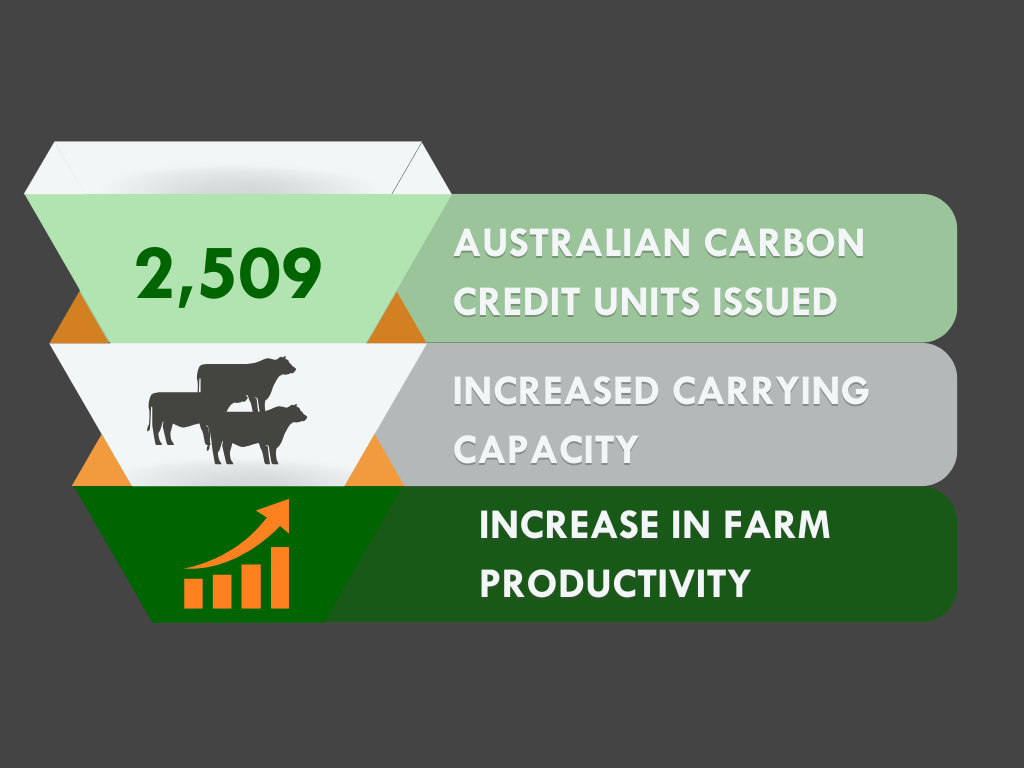
2,509 ACCUs issued under the ACCU Scheme for a 61-hectare property registered before minimum thresholds increased from 40 to 400 hectares
35-paddock rotational grazing system established with approximately $13,000 investment in single-wire electric fencing and water infrastructure
Carrying capacity increased from 52 to 59 stock days per hectare per 100mm of rainfall through adaptive grazing management, multi-species seeding, and biological amendments
The Jones and Bleweitt Carbon Project
Results
Jeff Bell has transformed a 61-hectare grazing property in Queensland from a four-paddock system into a 35-paddock rotational grazing operation, supported by approximately $13,000 in targeted infrastructure investment including 9.7 kilometres of single-wire electric fencing and two 5,000-litre water systems. This subdivision has enabled flexible, high-density grazing management adjusted seasonally to match pasture growth and recovery needs.
Jeff runs between 80 and 130 head of cattle across the property depending on seasonal conditions, alongside his part-time role as a diesel fitter. This stocking flexibility allows him to respond to pasture availability while maintaining grazing impact when conditions allow.
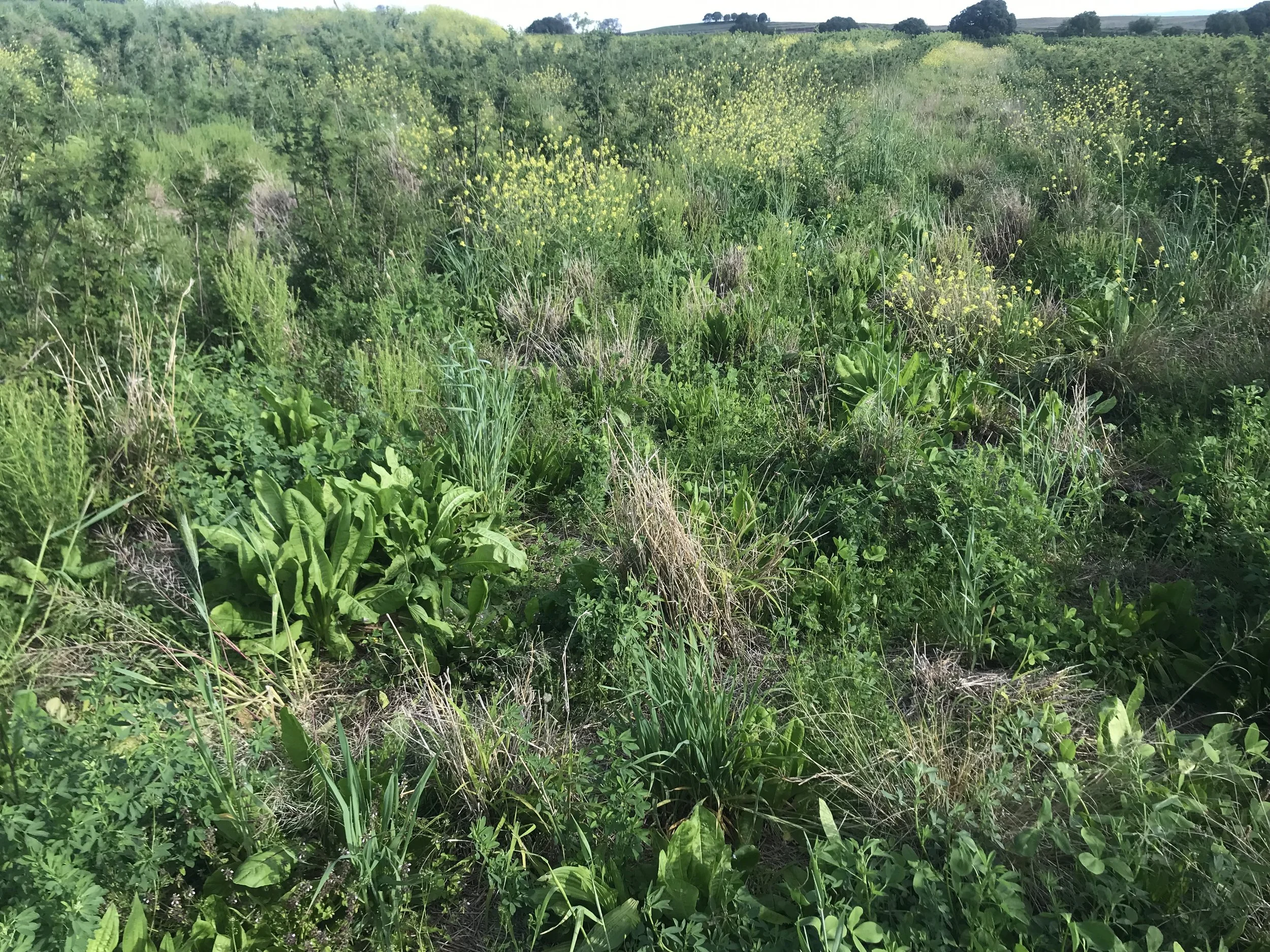
These changes have driven measurable improvements in soil health, pasture diversity, and livestock performance. Carrying capacity has increased from 52 to 59 stock days per hectare per 100mm of rainfall, while the property has supported the natural establishment of species including chicory, plantain, and native legumes. Soil sampling and independent verification confirmed measurable increases in soil carbon, resulting in the issuance of 2,509 ACCUs under the Australian Government's ACCU Scheme.
Ongoing Practices:
Adaptive Rotational Grazing: Flexible rotation adjusted from daily moves to multi-day rests depending on seasonal conditions, pasture response, and time of year, with stock densities targeted above 50 head per hectare
Multi-Species Pasture Seeding: Annual broadcasting of diverse seed mixes (13+ species) followed by high-density cattle trampling to incorporate seed into the soil
Biological Foliar Applications: At least one annual application of biological amendments including molasses, fish hydrolysate, kelp, humic acid, and other inputs, with mix and timing varied each season
Chemical-Free Livestock Management: Free-choice mineral supplementation with no chemical treatments, and herbicide use limited strictly to spot-spraying lantana as a last resort
Jeff Bell: “There was a bit of pushback in our local cattle producer group. Some people thought the property was too small for a soil carbon project,” Jeff said. “But I just decided to get started. The minimum project size has since gone up, so I’m glad I didn’t wait around. AgriProve made the whole process hassle-free, and the team have always been good to deal with.”
Project timeline


WHY AGRIPROVE
AgriProve uses data driven tools and unique financing mechanisms to make regenerative agriculture accessible and profitable for farmers. Partnering with landholders and industry leaders to mutually benefit from carbon project success. Our unique ACCU success fee model removes the risk and creates a true partnership for the entirety of the project.
Utilising AgriProve’s innovative, digitally enabled Soil Organic Carbon (SOC) model project partners benefit from the expedited soil sampling and carbon crediting process.
““The Viner Carbon Project is a great example of what happens when a producer simply decides to get started, Jeff has taken a 61-hectare property, invested around $13,000 in fencing and water infrastructure, and applied the kind of disciplined, adaptive grazing management that delivers real results - not just in carbon, but in pasture diversity, carrying capacity and overall farm resilience. He’s a diesel fitter who farms part-time, and he’s achieved outcomes that many full-time operations would be proud of.” ”