
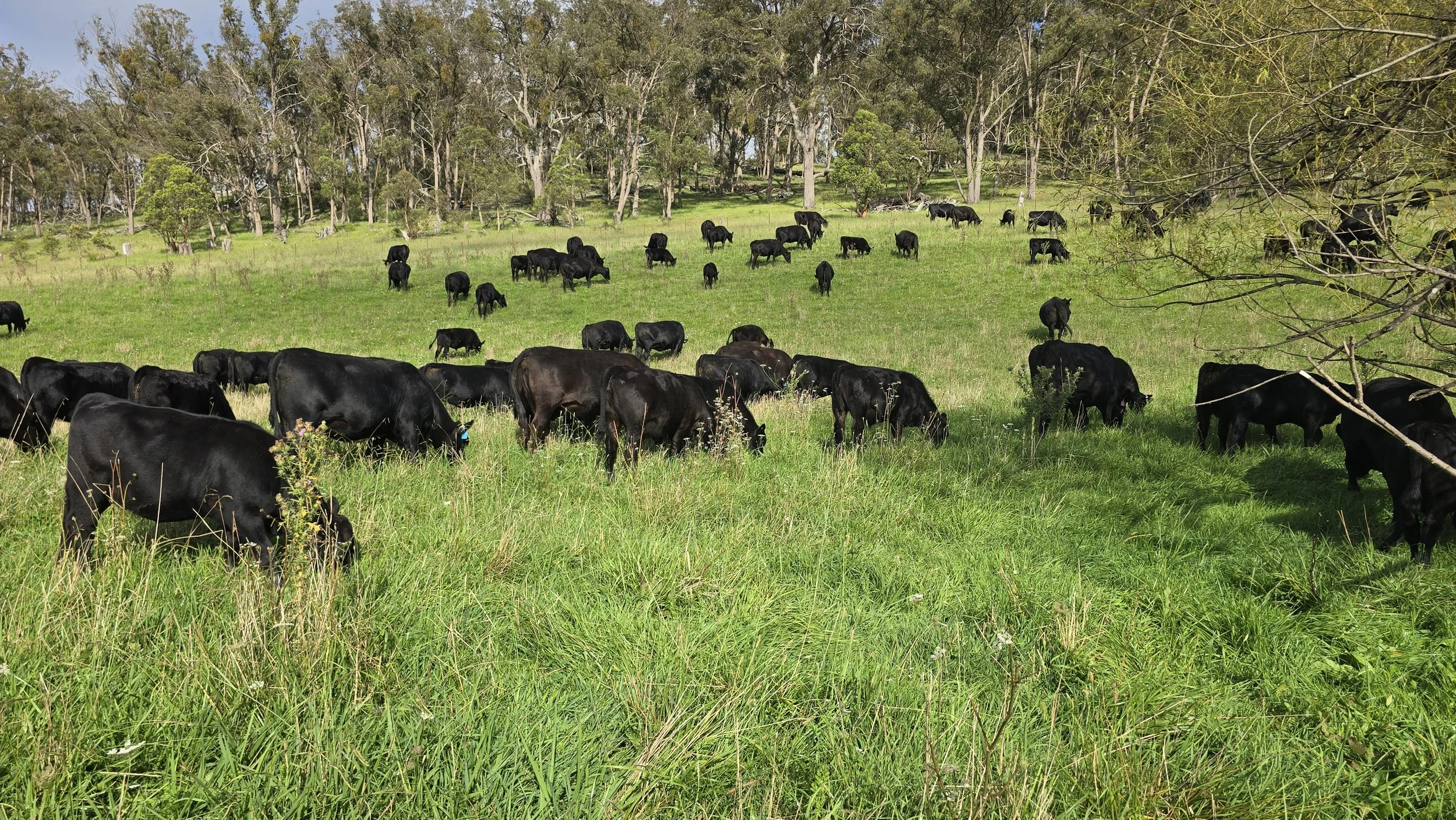
The Mcclean Carbon project
The McClean Carbon Project at North Mihi, Uralla on the Northern Tablelands in New South Wales, managed by Justin Hoad, has reached a key milestone with the issuance of 5,012 Australian Carbon Credit Units (ACCUs) under the Australian Government’s ACCU Scheme. The project, developed in partnership with AgriProve, demonstrates how sustained investment in biological farming and grazing management can deliver measurable carbon outcomes alongside improved farm productivity and resilience.
Operating across approximately 350 hectares of a 400-hectare mixed enterprise, Justin runs a self-replacing Merino and cattle operation committed to improving soil health, pasture resilience and long-term livestock performance.
Farm Profile
Enterprise: Mixed grazing operation (self-replacing Merino sheep and cattle)
Location: North Mihi, Uralla, Northern Tablelands, NSW
Enterprise Size: ~400 hectares
Management Practices: Biological farming, rotational grazing with short grazing periods and rest/recovery, paddock subdivision, reticulated water infrastructure, consolidation of livestock mobs, replacement of synthetic fertilisers with composted organic matter
Outcome: 5,012 ACCUs issued under the ACCU Scheme
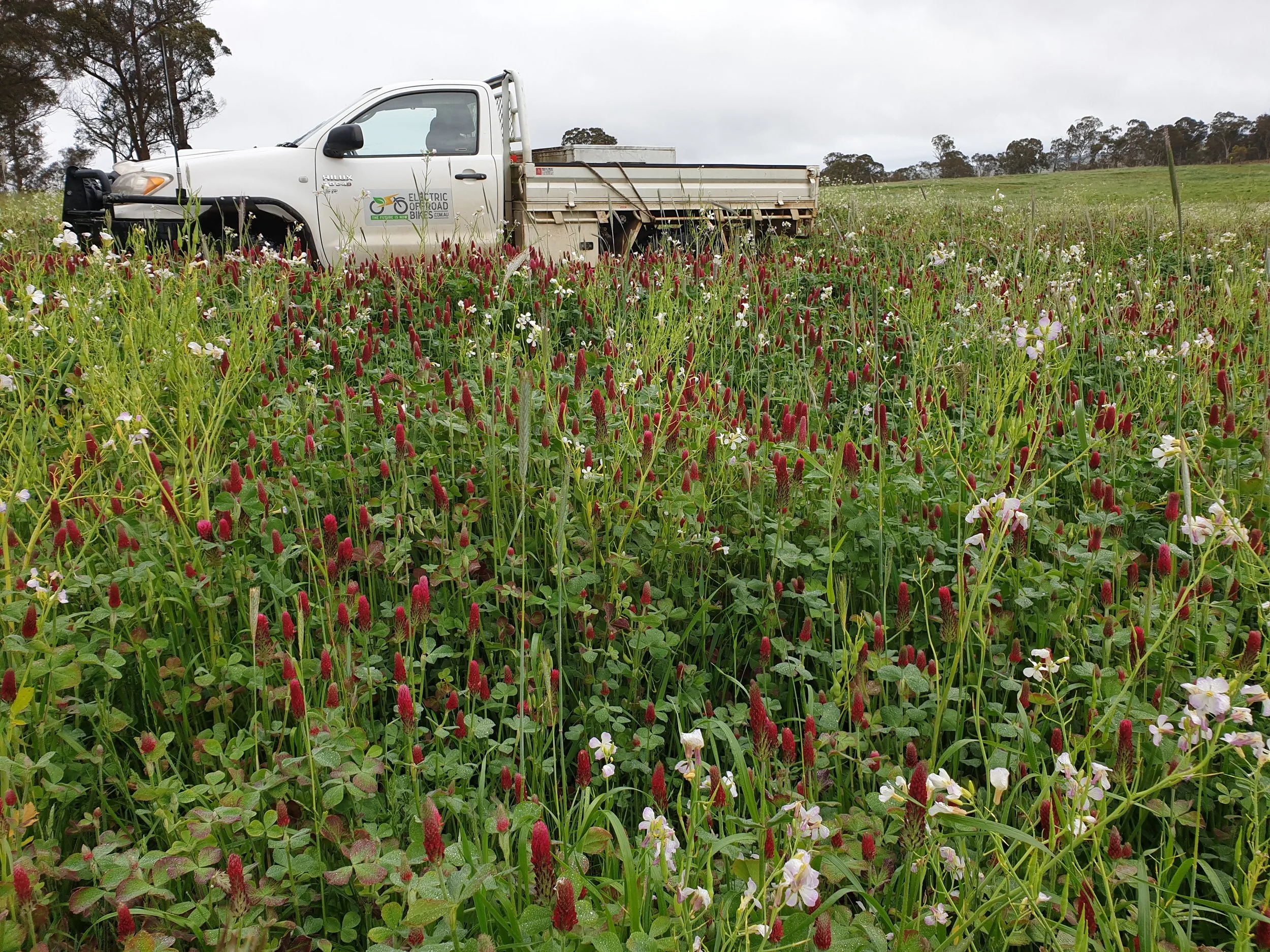
McClean Carbon Project
Justin Hoad: "We seem to be able to respond quicker to rainfall than the neighbours and hang on a bit longer when it stops raining. We've also carried the most stock in the last few years compared to when we first started."
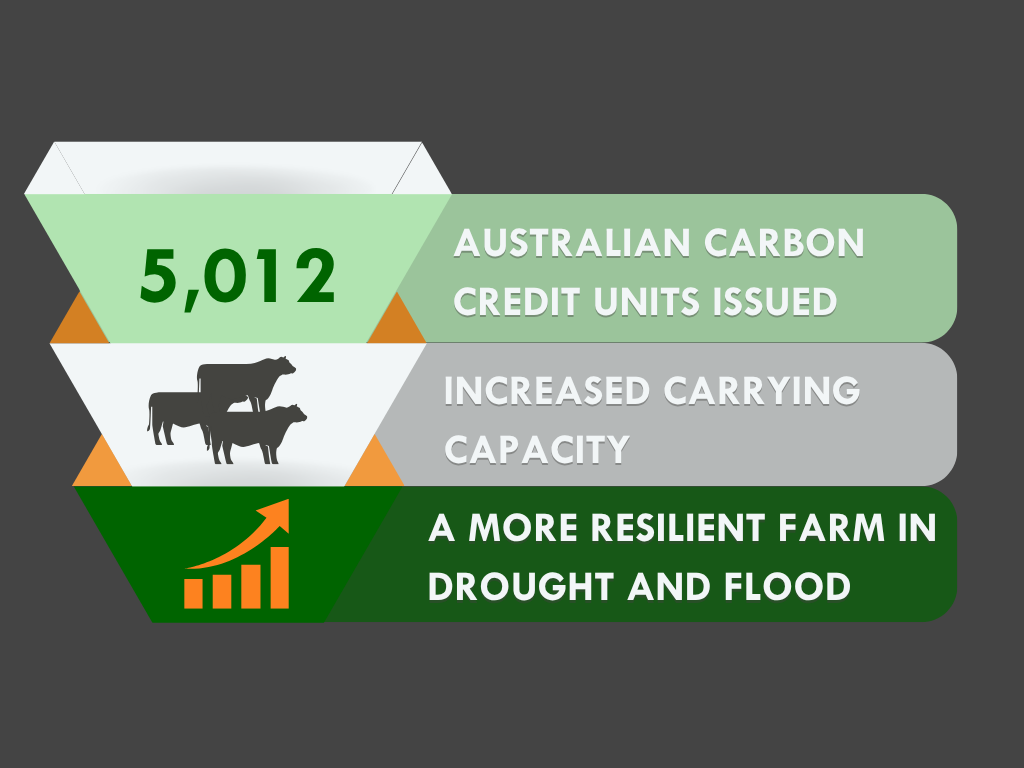
Project Highlights
Project Highlights
5,012 ACCUs issued under the ACCU Scheme across approximately 350 hectares of Northern NSW grazing land
Demonstrated resilience through extreme rainfall variability, from a district-record low of 280 mm in 2019 to over 1,200 mm in 2025, against a long-term average of approximately 780 mm
Stocking numbers grown from approximately 1,900 mostly dry wethers in 2012 to more than 1,000 Merino sheep and 200 cattle, both self-replacing, today
Results
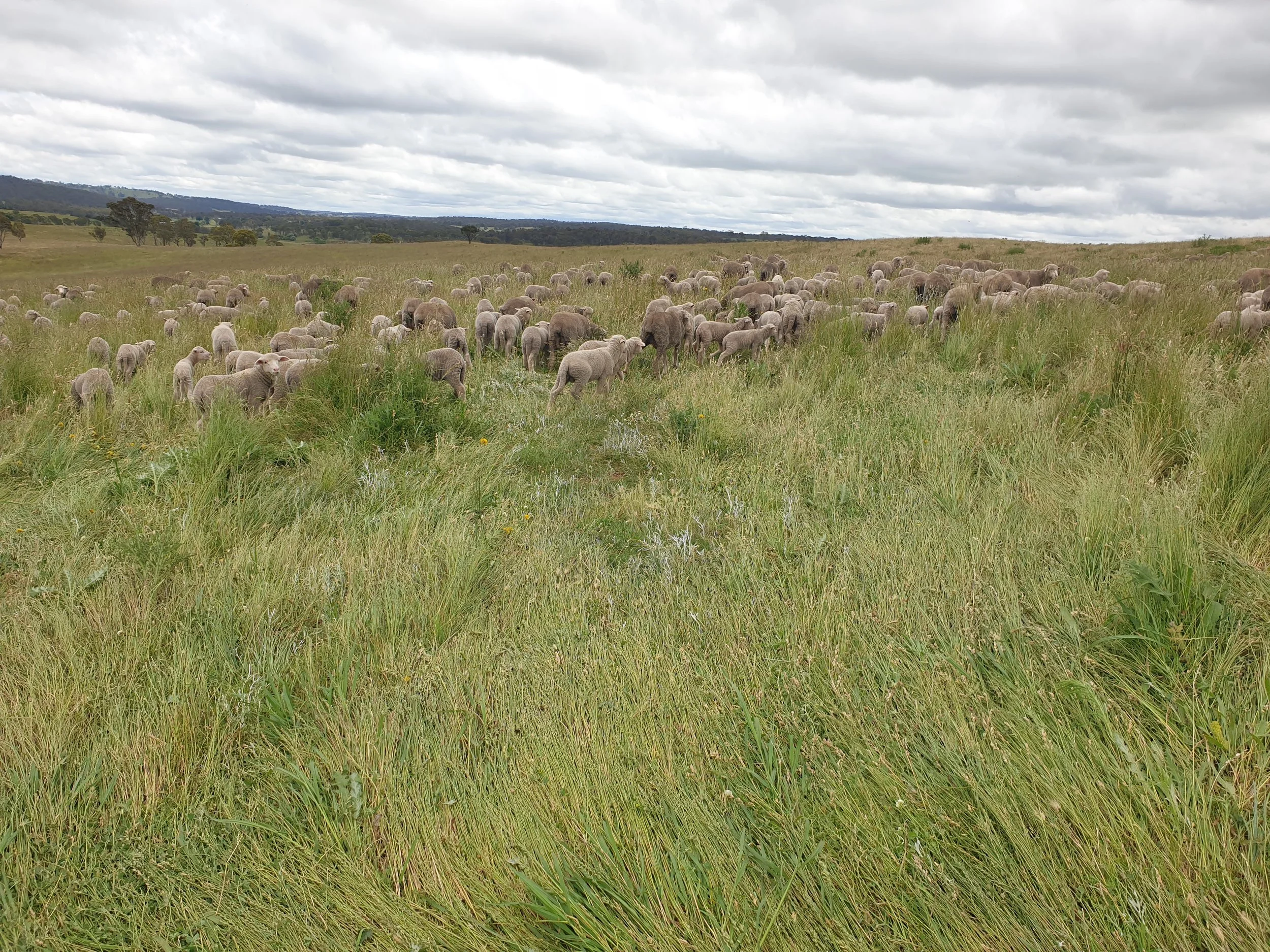
Justin’s farm
Justin Hoad progressively adopted biological farming practices at North Mihi, Uralla not as a carbon-first strategy, but as a long-term investment in farm performance and soil health. These changes, including paddock subdivision, strategic water infrastructure, mob consolidation and the replacement of synthetic fertilisers with composted organic matter, created the conditions for measurable soil carbon improvement over time.
The property's improved soil health has also translated into observable on-farm resilience. Through significant rainfall extremes in recent years, Yoralla Station responded to rainfall faster and maintained pasture cover longer than neighbouring properties, a direct reflection of the improved condition of the underlying soils.
Ongoing Practices:
Paddock Subdivision and Rotational Grazing Expansion from 15 paddocks to nearly 70 subdivisions enables controlled grazing with short grazing periods and adequate rest and recovery. This supports consistent pasture utilisation, ground cover retention and soil biology recovery between grazing events.
Reticulated Water Infrastructure Installation of approximately 12 additional water points supports even livestock distribution across the property, reducing localised grazing pressure and enabling more effective management of pasture and soil condition across the full project area.
Livestock Mob Consolidation Consolidating livestock mobs has improved pasture utilisation while reducing labour demands and chemical inputs, supporting consistent grazing pressure management aligned with pasture recovery cycles.
Biological Soil Amendments Replacement of synthetic fertilisers with composted organic matter has supported improvements in soil microbial activity and organic matter inputs, underpinning the long-term soil carbon outcomes measured across the project.
Justin Hoad: “There is a fair bit of work involved, and it does take longer than you might expect. But once the project is up and running, it becomes more straightforward. My advice is to have your records in order before you start and to work with a team you can trust to handle the regulatory side of things."
Project timeline


WHY AGRIPROVE
AgriProve uses data driven tools and unique financing mechanisms to make regenerative agriculture accessible and profitable for farmers. Partnering with landholders and industry leaders to mutually benefit from carbon project success. Our unique ACCU success fee model removes the risk and creates a true partnership for the entirety of the project.
Utilising AgriProve’s innovative, digitally enabled Soil Organic Carbon (SOC) model project partners benefit from the expedited soil sampling and carbon crediting process.
“The McClean Carbon Project demonstrates what is achievable when a focused commitment to biological farming is backed by rigorous soil carbon measurement. Justin has made significant infrastructure and management changes, and the ACCUs issued are a formal validation of those outcomes.
”