
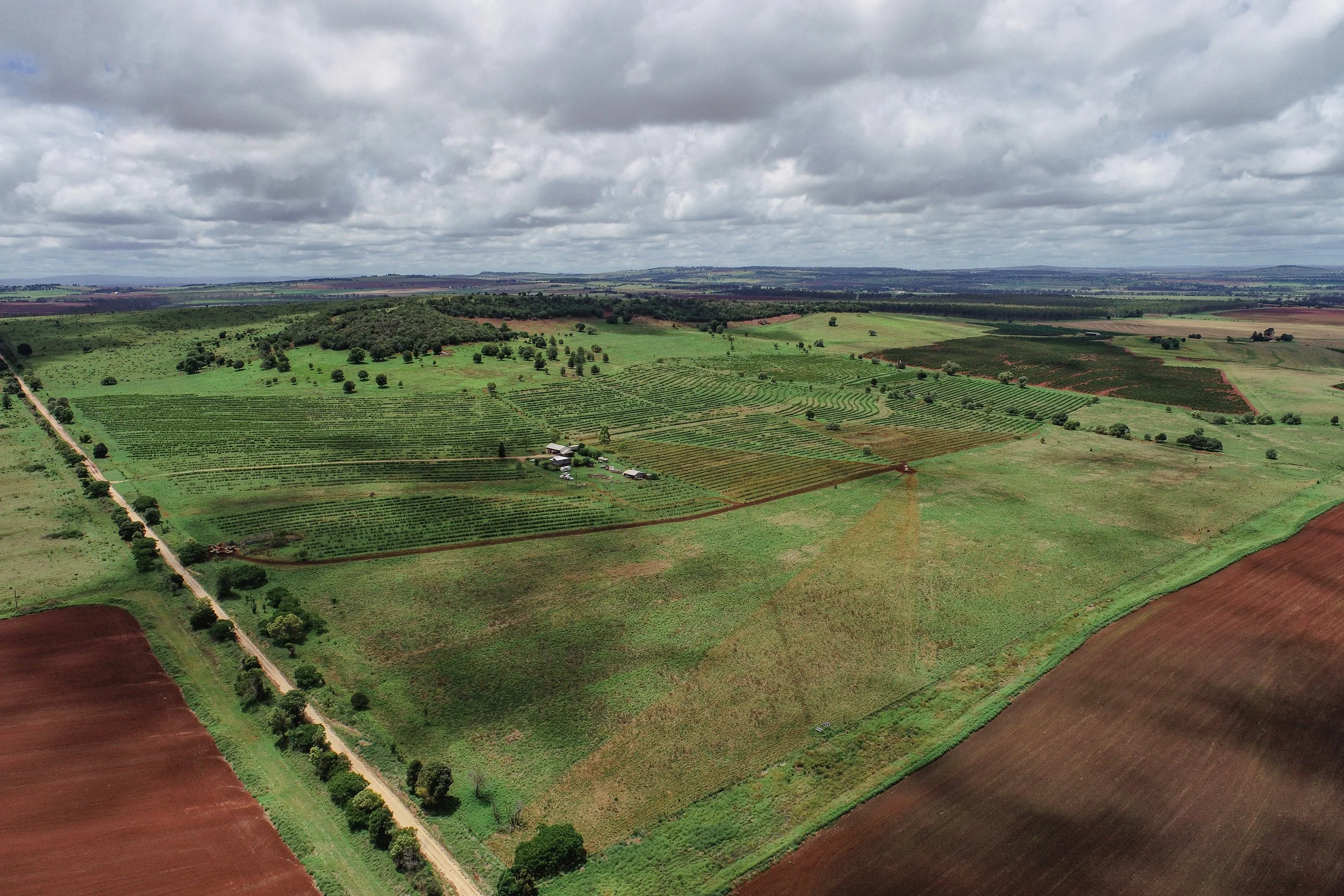
The Messner Carbon project
The Messner Carbon Project near Warralakin, Western Australia, managed by Ben Farina, has reached a key milestone with the issuance of 3,327 Australian Carbon Credit Units (ACCUs) under the Australian Government's ACCU Scheme. The project, developed in partnership with LawrieCo and AgriProve, highlights how targeted soil health practices in dryland cropping systems can deliver measurable carbon outcomes alongside improved farm productivity.
Operating across approximately 665 hectares of cropping land on a 6,400-hectare mixed enterprise, Ben Farina produces wheat, canola, lupins and chickpeas alongside a Merino sheep flock, a system typical of mixed farming operations across Western Australia's eastern Wheatbelt.
Farm Profile
Enterprise: Mixed cropping and sheep operation (wheat, canola, lupins, chickpeas and Merino sheep)
Location: Warralakin, Western Australia
Enterprise Size: 6,400 hectares
Project Area: 665 hectares
Management Practices: Soil biology improvement, nutrient balance and root development focus, reduced fertiliser inputs, biological soil amendments
Outcome: 3,327 ACCUs issued under the ACCU Scheme
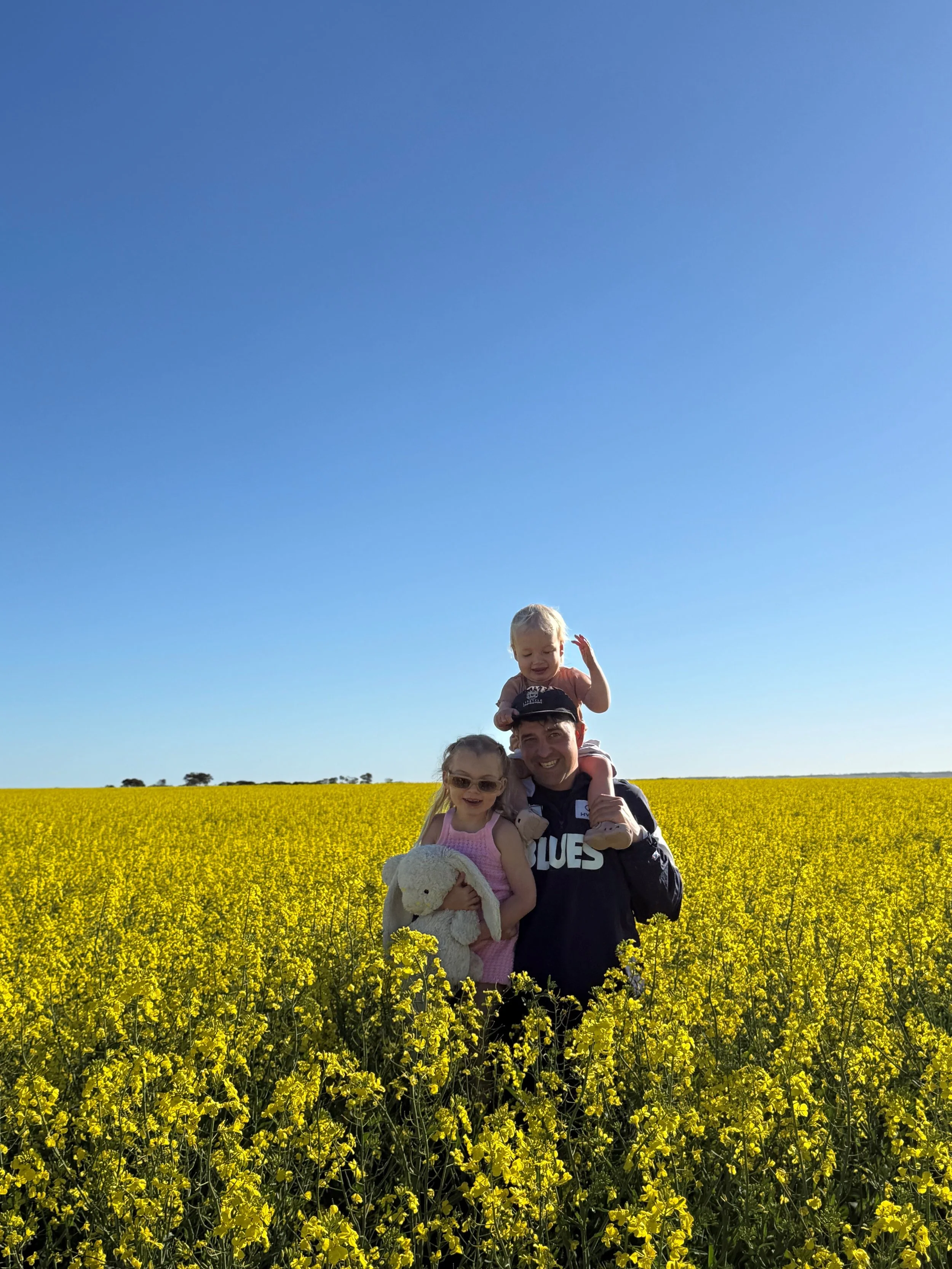
Messner Carbon Project
Ben Farina: “Initially the motivation was economic, but over time the soil health side of it became just as important. Building healthier soils improves moisture retention, resilience and the long-term sustainability of the farm.”
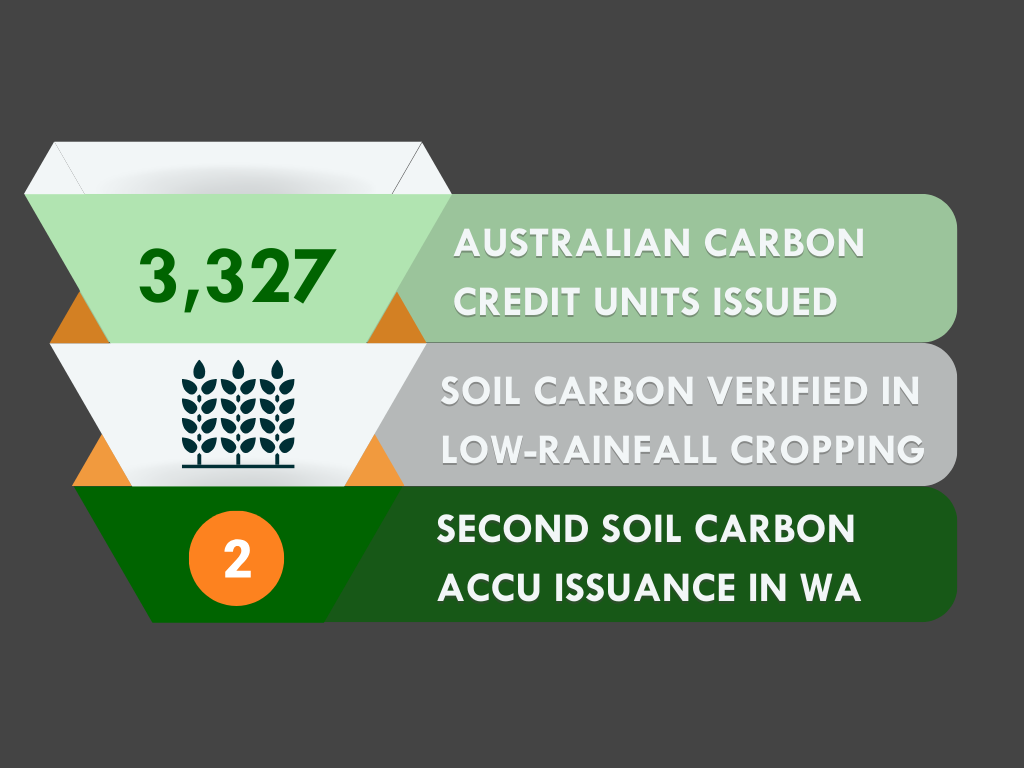
Project Highlights
3,327 ACCUs issued under the ACCU Scheme across 665 hectares of dryland broadacre cropping land in one of Australia's most challenging low-rainfall farming environments
Second soil carbon ACCU issuance in Western Australia, proving that measurable carbon gains are achievable in cropping systems receiving as little as 280–300 mm of annual rainfall
Average sequestration rate of 5 ACCUs per hectare, or 3.85 ACCUs per hectare per year, achieved through soil biology improvement, nutrient balance and targeted reduction of fertiliser inputs
Ben and his family
Results
Rising input costs and declining fertiliser response prompted Ben to fundamentally shift how his soils were managed, moving away from synthetic fertiliser dependency toward practices focused on improving microbial activity, nutrient efficiency, and root development. This transition was supported by AgriProve and LawrieCo's Carbon & Biological Agronomy team, who provided on-ground guidance throughout the project period.
Operating in a 280–300 mm annual rainfall zone, the shift proved that soil carbon gains are achievable even in conditions where sequestration has historically been considered unlikely. Soil sampling at baseline and resampling confirmed a measurable increase in carbon stocks, from 14,539.67 tC to 17,064.4 tC, representing 2,524 tonnes of sequestered carbon across the project area. Independent verification resulted in the issuance of 3,327 ACCUs at an average rate of 5 ACCUs per hectare over the project period.
Ongoing Practices:
Soil Biology Management: Improving microbial activity and soil structure through biological amendments and reduced reliance on synthetic inputs, targeting long-term improvements in nutrient cycling and root development
Nutrient Balance Programme: Precision nutrient management guided by soil testing and agronomic advice, addressing macro and micronutrient deficiencies to support both crop productivity and soil carbon accumulation
Reduced Fertiliser Inputs: Systematic reduction in synthetic fertiliser application rates as soil biology improved, with crop responses monitored to track the productivity benefits of healthier soils
Integrated Cropping and Grazing: Mixed enterprise management across wheat, canola, lupins, chickpeas and Merino sheep, with grazing management complementing the cropping programme to support ground cover and residue retention
Ben Farina: "We were finding we had to apply more fertiliser each year while seeing less response from the crop. That forced us to step back and rethink how we were managing our soils. Initially the motivation was economic, but over time the soil health side of it became just as important. Building healthier soils improves moisture retention, resilience and the long-term sustainability of the farm."
Project timeline


WHY AGRIPROVE
AgriProve uses data driven tools and unique financing mechanisms to make regenerative agriculture accessible and profitable for farmers. Partnering with landholders and industry leaders to mutually benefit from carbon project success. Our unique ACCU success fee model removes the risk and creates a true partnership for the entirety of the project.
Utilising AgriProve’s innovative, digitally enabled Soil Organic Carbon (SOC) model project partners benefit from the expedited soil sampling and carbon crediting process.
““The Viner Carbon Project is a great example of what happens when a producer simply decides to get started, Jeff has taken a 61-hectare property, invested around $13,000 in fencing and water infrastructure, and applied the kind of disciplined, adaptive grazing management that delivers real results - not just in carbon, but in pasture diversity, carrying capacity and overall farm resilience. He’s a diesel fitter who farms part-time, and he’s achieved outcomes that many full-time operations would be proud of.” ”